Best Practices for Tracking Small Business Expenses
Tracking business expenses is less about dumping data into a spreadsheet and more about building a reliable system you’ll actually stick with.
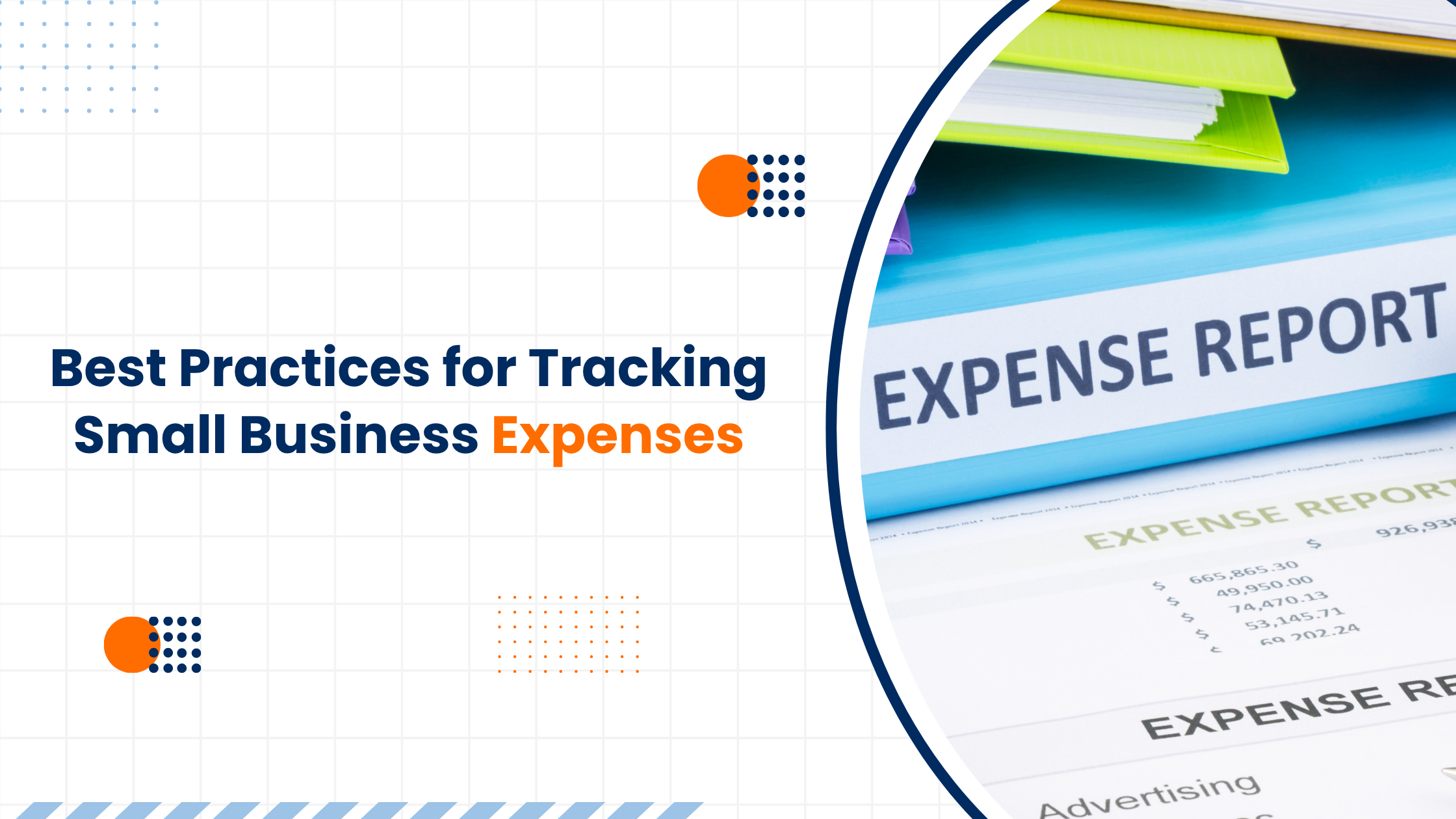
Without a clear method, you risk overlooking valuable tax deductions, making decisions based on incomplete data, and facing a stressful scramble at tax time. Unmonitored small costs can accumulate and significantly affect your profits. Effective bookkeeping is not just beneficial; it is essential for safeguarding your business against failure.
This guide will discuss how to implement the best practices for tracking your business expenses—from organising receipts to choosing the right small business expense tracker—to ensure your records are always accurate, compliant, and useful.
Importance of Small Business Bookkeeping
Effective expense tracking provides the financial clarity you need to make informed decisions and achieve your goals. Here’s a quick breakdown of why it’s so important:
- Make Smarter Decisions: See exactly where your money goes to manage cash flow, create accurate budgets, and boost profitability.
- Maximise Tax Deductions: Meticulous records ensure you claim every available deduction, so you never overpay on taxes.
- Secure Funding: Professional financial records are crucial for demonstrating that your business is a sound investment when applying for loans or seeking investors.
Essentials for Tracking Business Expenses
Maintaining clean financial records is easier than you think. It all starts with a few consistent habits that bring order to your books and clarity to your spending.
1. Use Separate Business Accounts
This is the golden rule. Open a dedicated business bank account and use a separate credit or debit card for all business-related purchases. Mixing personal and business finances is the fastest way to create confusion, miss deductions, and make tax preparation a nightmare.
2. Define a Clear Expense Policy
Even if you’re a one-person shop, creating a simple policy removes guesswork and ensures you track expenses consistently. This provides a clear distinction between what is a legitimate business cost and what is personal. Start by defining rules for common grey areas like mileage rates, meal allowances for travel, and home office costs.
3. Track Expenses as They Happen
Don’t let receipts pile up. Log them as soon as you make a purchase. Waiting until the end of the month means you’re relying on memory, which is a recipe for errors. When you delay, you don’t just risk forgetting small expenses; you lose valuable data.
4. Assign Meaningful Expense Categories
Create a list of expense categories or a chart of accounts. This is crucial because it helps you understand your financial reports and also makes transaction categorisation quicker. Using vague categories like “Miscellaneous” makes your spending a black box. Specific categories, such as “Software Subscriptions,” “Facebook Ads,” or “Client Travel,” help turn your data into actionable answers.
5. Go Digital with Your Receipts
Paper receipts fade, get lost, and are a hassle to store. Relying on a shoebox full of paper is risky for audits and makes it nearly impossible to find proof of purchase years later.
Manually scanning, naming, and filing receipts is a low-value task that eats up your time. This is where automation becomes a game-changer. You can try the Receipt Bot mobile scanner app to digitise your receipts and automatically read, extract, and categorise the data, eliminating manual work.
6. Choose Your Expense Tracking Tool
You must select a tool or system to be consistent. The choice of tool depends on the complexity and stage of growth of your business. You can use one of the following options:
- Spreadsheets: A simple spreadsheet that allows you to track date, description, categories and amount. It is perfect for starting as it is free and flexible. (Try our free accounting Excel templates to simplify your expense tracking.)
- Accounting Software: These are specialised tools that provide advanced features, such as reporting and payables management.
7. Reconcile Your Books Regularly
At the end of each month, compare your tracked expenses against your business bank and credit card statements. This final check helps you catch any errors, identify missing transactions, and ensure your financial records are 100% accurate.
How Automation Simplifies Expense Tracking
When you outgrow spreadsheets, automated tools like Receipt Bot take over the repetitive work. The entire process is simplified into three steps:
- Snap a photo of a receipt with the mobile app, forward an email invoice, or upload documents via the web.
- Receipt Bot extracts all the key data for you—supplier, date, amount, and even line items.
- Receipt Bot intelligently categorises each expense and automatically exports the data to your accounting software (like Xero, QuickBooks, or Sage).
Summing Up
Putting a reliable system in place for tracking your business expenses is one of the best investments you can make in your company’s future. By moving from manual methods to automation, you get more than just clean books—you get the time and the financial clarity you need to focus on what truly matters: growing your business.
Ready to simplify expense tracking?